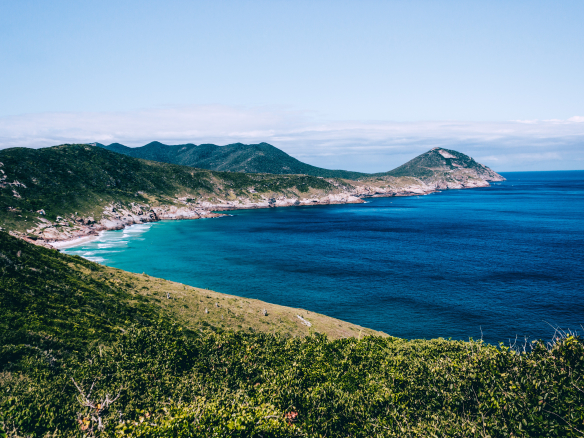

Bali, nicknamed the "Island of the Gods," exerts a fascination that extends far beyond tourism. Behind its terraced rice paddies and ancient temples lies a booming real estate market, attracting more and more French-speaking investors each year. Whether it's a dream second home, a high-yield rental villa, or a tropical retirement, the profiles vary, but the appeal remains the same. Before taking the plunge, here's everything you need to know to invest in Bali with clarity and peace of mind.
Why Bali Attracts Real Estate Investors
An Island with Constant Tourist Influence
Bali's popularity remains strong. Year after year, the island welcomes millions of visitors from around the world, drawn by its unique culture, beaches, and cuisine. This enduring popularity translates into sustained rental demand, particularly in key areas like Seminyak, Canggu , and Ubud. For an investor, this represents a valuable foundation of stability.
Particularly attractive rental yields
Compared to other top tourist destinations—the French Riviera, Tuscany, the Maldives—Bali remains affordable to buy. This difference in initial prices, combined with strong seasonal rental demand, allows for gross returns that are often higher than those seen in Europe. Some owners of well-located villas boast remarkable occupancy rates, even outside the peak season.
The Different Types of Assets Available
Private Villas: The Market's Flagship Value
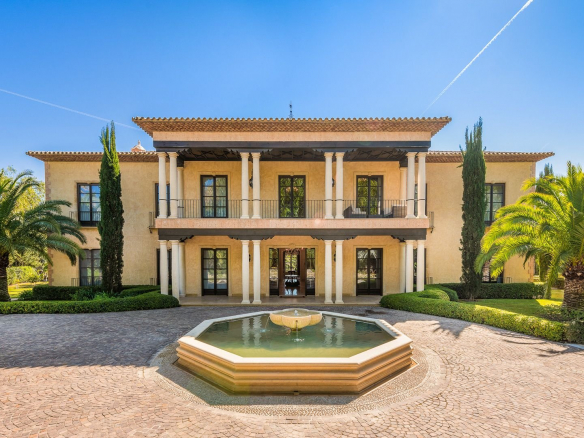
Villas remain the most sought-after property for foreign investors in Bali. They can serve as both personal residences and sources of rental income. The market is vast: from contemporary villas with infinity pools to traditional Balinese homes surrounded by tropical gardens, there are options to suit every budget and taste. Some properties combine both styles, blending local architecture with modern amenities.
Apartments and Condominiums: A More Accessible Entrance
For those looking to invest with more limited initial capital, apartments and condominiums offer an attractive alternative. These properties typically come with shared amenities—such as a swimming pool, gym, and concierge service—which enhance their appeal to expatriate tenants or travelers on extended stays. While less spectacular than villas, they are nonetheless effective rental properties.
The Legal Framework: What Every Foreigner Should Know
The Question of Land Ownership
This is often the first point that concerns foreign investors: in Indonesia, the law prohibits non-citizens from holding full land ownership (Hak Milik). This reality does not close the door to investment, but it does require a thorough understanding of the available legal structures.
The Hak Pakai (right of use) is the most common solution used by foreigners. It allows them to enjoy real estate for a fixed, renewable period within a secure legal framework. Other arrangements, such as the creation of an Indonesian company (PT PMA), can also be considered depending on the nature of the project. In all cases, seeking guidance from a local legal professional is essential.
The Key Role of Local Notaries and Lawyers
Investing in Bali without local legal counsel is like navigating blindly through a complex and constantly evolving legal system. A licensed notary (notaris) or a lawyer specializing in Indonesian real estate law will help you verify property titles, structure the acquisition correctly, and avoid common pitfalls—non-binding verbal promises, land encumbered by disputes, and ambiguously worded contracts. This expense is an investment in itself.
Points to Consider Before Starting
A Rigorous Market Analysis
Each neighborhood in Bali has its own unique character. The profile of tenants in Canggu—often digital nomads or surfers seeking stays of several weeks—differs radically from that of Ubud, which is more geared towards cultural tourism and wellness. Before buying, it is essential to study the actual rental demand in the target area, current rent levels, upcoming infrastructure projects, and the level of competition. A decision made based on a gut feeling without prior analysis can quickly prove disappointing.
Budgeting beyond the Purchase Price
The listed price is just the tip of the iceberg. In addition to the purchase price, there are notary fees, transfer taxes, legal fees, and, if applicable, renovation or furnishing costs. During the operational phase, maintaining a tropical villa—pool, gardens, air conditioning, moisture-sensitive materials—represents a significant expense. Incorporating these costs into your financial model from the outset will prevent unpleasant surprises.
Regarding financing, local options exist but remain limited for foreigners. Most French-speaking investors opt for equity financing or loans obtained in their country of origin.
Optimize the Profitability of Your Property
Choosing the Right Management Method
Once you own the property, its day-to-day management is crucial to its profitability. You have two options: direct management, which is more involved but potentially more profitable, or delegating to a local property management agency. These agencies handle property marketing, booking management, tenant check-in, and routine maintenance. For a non-resident investor, this is often the most practical solution.
Diversifying Rental Strategies
Relying solely on seasonal rentals can lead to periods of low occupancy. A hybrid approach—short-term rentals to tourists during peak season and medium- or long-term rentals to expatriates the rest of the year—helps to smooth out occupancy rates and secure income. Online booking platforms, combined with a social media presence, are powerful tools for maximizing your property's international visibility.
Investing in Bali is embarking on a journey that is both personal and financial, in one of the world's most captivating environments. The potential is real, the opportunities numerous—but the success of such a project depends above all on thorough preparation, a deep understanding of the local legal framework, and high-quality support. To explore available properties or obtain personalized advice tailored to your project, you can search for a property in Bali or contact the Propriétés de Charme team for bespoke assistance.