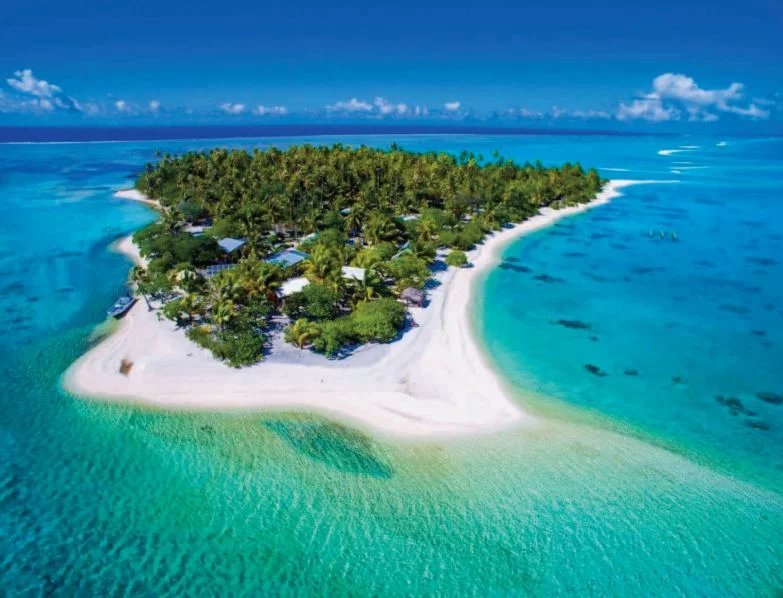
French Polynesia, an idyllic archipelago in the heart of the Pacific Ocean, is much more than just a tourist destination. It's a true natural gem, renowned for its breathtaking landscapes: turquoise waters, pristine white sand beaches, and majestic mountains. For those who dream of total exclusivity and an unparalleled lifestyle, purchasing a luxury private island in Polynesia could be the key to an exceptional investment. 🌴
French Polynesia: A Unique Setting for Private Islands 🌅
Comprising five distinct archipelagos—the Society Islands, the Marquesas Islands, the Tuamotu Islands, the Gambier Islands, and the Austral Islands—French Polynesia offers a variety of landscapes that make it a prime location for private island ownership. From tranquil lagoons to towering volcanoes, each island possesses its own unique charm and character. Among the most famous islands, Bora Bora, Tahiti, and Moorea stand out for their international renown, but the lesser-known archipelagos, such as the Tuamotu Islands, also harbor unspoiled natural treasures. 🌴🌊
The natural setting of French Polynesia is one of the main assets of real estate in this region. Private islands offer pristine beaches, untouched lagoons, and lush vegetation, guaranteeing an intimate and peaceful environment. Furthermore, the immediate proximity to water sports such as diving, snorkeling, and sailing makes it an ideal destination for those seeking both tranquility and leisure. 🏝️
Why Buy a Private Island in French Polynesia? 💎
1. Exclusivity and Privacy 🔐
Owning a private island in Polynesia allows you to completely escape the hustle and bustle of the modern world. It's a unique personal space where you can create the perfect environment to recharge. Whether you want to build a sumptuous villa, a luxury resort, or simply live there in an eco-friendly way, a private island guarantees total privacy and exceptional comfort. 🏖️
2. Unparalleled Natural Beauty 🌺
French Polynesia is a true haven of natural beauty. From crystal-clear blue lagoons to colorful coral reefs, this region offers breathtaking landscapes that guarantee an unparalleled quality of life. Private islands allow you to live in close proximity to this pristine nature, while enjoying the advantages of exclusivity and luxury. 🐠
3. Long-Term Investment 💼
Private islands in Polynesia are rare, making this investment even more valuable. Demand for these exclusive properties is constantly increasing, and it's highly likely that your property's value will rise over time. Owning an island in this region is therefore a solid and lasting wealth investment. 📈
4. Freedom to Develop 🏗️
Buying a private island offers you complete freedom in its development and planning. Whether you wish to build a luxury residence, an eco-resort, or a boutique hotel, you have the opportunity to shape the island according to your desires. It's also possible to organize ecological projects there, in harmony with the natural environment. 🌱
The Process of Buying a Private Island in French Polynesia 🔍
Buying a private island in Polynesia is not a trivial undertaking and involves following a specific process. Here are the essential steps to consider to successfully complete your project:
1. Research and Selection 📊
The first step is to find the ideal island based on your criteria. It's recommended to work with real estate experts specializing in private islands to guide you through this process. Once you've found the island, it can be helpful to visit it to better appreciate its natural features and potential. 🌺
2. Legal Verification 📜
Before proceeding further, it is crucial to verify the ownership titles and usage rights of the island. Some islands may be state-owned, while others are privately owned. Legal consultation is therefore essential to ensure the legality of the acquisition. ⚖️
3. Permits and Authorizations 🏗️
If you plan to develop infrastructure on your island (residence, hotel, etc.), it's important to apply for the necessary permits. In French Polynesia, building permits and environmental authorizations must be obtained to comply with local regulations and preserve the region's unique environment. 🛠️
4. Transaction Conclusion ✍️
Once all legal and administrative aspects are settled, the transaction can be finalized. It is strongly recommended to use a local notary to secure the purchase and ensure that all steps are properly validated. 🖊️
Examples of Private Islands Available in French Polynesia 🏝️
Although private islands in Polynesia are not numerous, several exclusive offers are currently on the market. Here are a few examples:
1. Private Island in Bora Bora 🌴
Bora Bora, nicknamed the “Pearl of the Pacific,” is one of the world's most sought-after destinations. If you wish to invest in a private island on this dream island, you have the opportunity to develop a luxury hotel project or a sumptuous residence. Enjoy spectacular views of Mount Otemanu and its world-renowned lagoon. 🏝️
2. Private Atoll in the Tuamotu Archipelago 🌊
The Tuamotu Islands, with their isolated atolls and exceptional marine life, are a true sanctuary for diving and nature enthusiasts. A private atoll in this archipelago is perfect for those seeking seclusion and absolute tranquility, while remaining close to a pristine marine environment. 🌺
3. Private Island in Moorea 🌄
Moorea, with its verdant mountains and breathtaking landscapes, is an ideal location for creating an eco-resort or a luxury private residence. Less touristy than Bora Bora, this island offers an intimate and natural setting, perfect for investors looking to combine tranquility with the development of high-end tourism projects. 🌳
Investing in a bright future in French Polynesia 🌞
Owning a private island in French Polynesia is more than just a real estate investment. It's a chance to live in harmony with nature while enjoying privileged access to a natural environment of unparalleled beauty. Whether you're drawn to luxury, exclusivity, or a desire to preserve the environment, buying a private island in this paradise archipelago offers you the opportunity to make a dream come true. 🌟
In conclusion, buying a private island in French Polynesia represents a unique opportunity to own a piece of paradise. It's a long-term investment in an unparalleled natural setting, with the development freedom that comes with this type of property. Ready to dive into the experience? A private island in Polynesia awaits you. 🏝️💼