In the world of luxury real estate, elegance and exclusivity have traditionally dictated the market rules. However, a new player is gradually emerging in the most prestigious negotiations: the Energy Performance Certificate (EPC). Long relegated to the background in this segment, the EPC is now at the heart of purchasing decisions and influences—sometimes decisively—the valuation of exceptional properties. How exactly is this certificate transforming luxury transactions? Here are some answers.
The Energy Performance Certificate (EPC) applied to exceptional properties: what you need to know
What is the DPE?
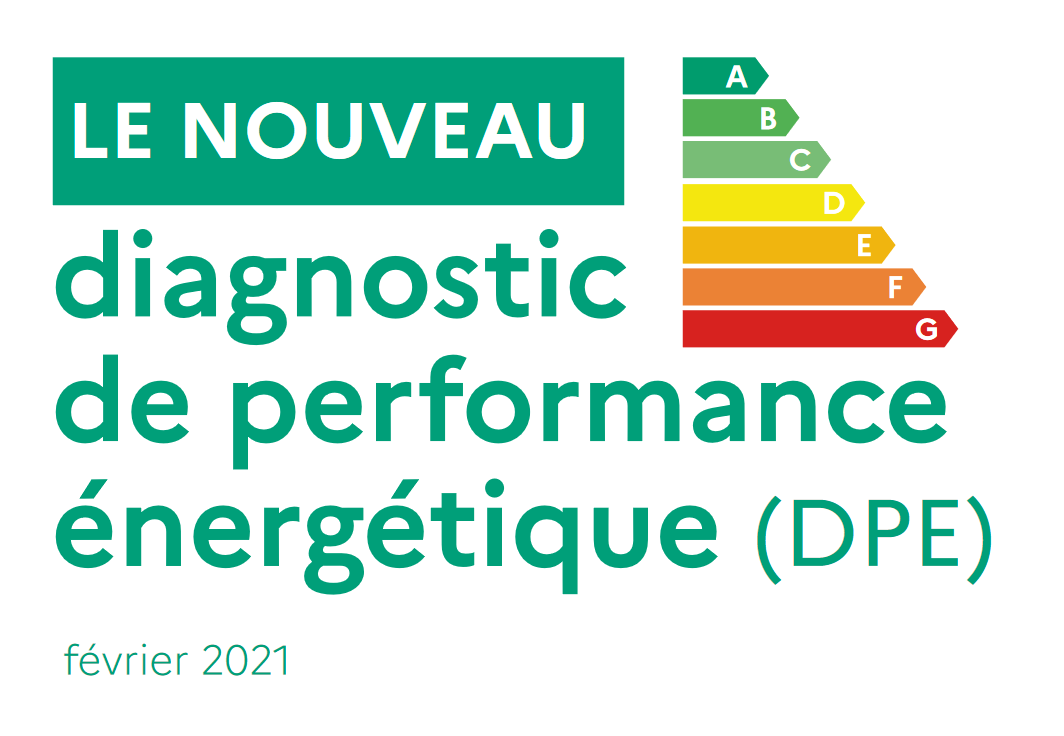
The Energy Performance Certificate (EPC) is a regulatory report that assesses two essential factors: a property's annual energy consumption and its greenhouse gas emissions. Mandatory for all real estate transactions in France, it classifies properties on a scale from A – very efficient – to G – particularly energy-inefficient. In the luxury sector, where spaces are often vast, amenities numerous, and architecture sometimes complex, this classification can reveal some real surprises.
Why does the DPE (Energy Performance Diagnosis) hold a special place in the luxury sector?
A prestigious residence is not simply a dwelling: it is a heritage, a way of life. However, an 18th-century château with poorly insulated windows or a contemporary villa with a year-round heated pool can exhibit mediocre energy performance, regardless of their architectural or historical value. The Energy Performance Certificate (EPC) highlights this reality and compels both buyers and sellers to factor it into their decision-making. For discerning buyers—and luxury buyers generally are—a poor rating is no longer merely a technical detail: it's a warning sign.
How does the Energy Performance Certificate (EPC) actually influence the selling price?
The positive effect of a good energy rating
A property rated A or B offers a significant selling point. It promises controlled energy bills, optimal thermal comfort in all seasons, and a reduced carbon footprint—all criteria that resonate strongly with affluent clients, often sensitive to environmental issues. As a result, these properties generally sell faster and at higher prices. In a market where competition among exceptional properties is fierce, a high energy performance certificate (EPC) can tip the scales in favor of one property over another.
The impact of an unfavorable energy performance certificate (EPC) on negotiations
Conversely, an F or G rating weakens the seller's position. Potential buyers immediately factor the cost of energy-efficiency renovations into their offers—and these renovations, on large or heritage properties, can amount to considerable sums. A price reduction is then necessary during negotiations. More than the figure itself, it's the property's image that suffers: in a sector where perfection is the standard, a poor energy performance certificate (EPC) casts a shadow on an otherwise impeccable property.
Improving the Energy Performance Certificate (EPC) of a luxury property: strategies and levers for action
Targeted energy renovations
Improving the energy performance certificate (EPC) of a prestigious property doesn't mean altering its character. Numerous technical interventions can improve its energy efficiency by several classes while preserving the property's authenticity. Insulating the attic and walls from the inside, replacing an aging boiler with a high-performance heat pump, or installing discreet solar panels on secondary roofs are all proven solutions. When carried out well, these renovations enhance the property's value in two ways: they improve its EPC rating and boost its market appeal.
Green technologies in the service of excellence
The luxury sector has always been a breeding ground for innovation. This same principle now applies to energy efficiency. Smart home energy management systems, high-performance insulated glazing, bio-based materials integrated during renovations, green roofs, rainwater harvesting combined with geothermal systems: the solutions are plentiful. These features, far from being mere technical adjustments, are becoming genuine selling points for a clientele that seeks both performance and refinement.
The Energy Performance Certificate (EPC), an essential selection criterion for high-end buyers
Demanding and well-informed buyers
The luxury buyer is not a single profile, but they often share a common trait: strong analytical skills and precise expectations. They consult property reports, seek expert advice, and methodically compare properties. In this context, the Energy Performance Certificate (EPC) is no longer just another administrative document—it's an indicator of overall quality. A good rating signifies a well-maintained, modernized property designed for the long term. It provides reassurance regarding future expenses and reflects the owner's commitment to their investment.
The Energy Performance Certificate (EPC) at the heart of the decision-making process
In a luxury transaction, every detail counts. The Energy Performance Certificate (EPC) alone can speed up or slow down a sale. Buyers who value environmental issues—and they are increasingly numerous in this market segment—favor properties that combine aesthetics with energy efficiency. For sellers, highlighting strong energy performance is a powerful differentiator, capable of justifying a higher selling price and reducing sales time.
Towards a sustainable increase in the use of the Energy Performance Certificate (EPC) in luxury real estate
Increasingly stringent regulations
Recent legislative changes—particularly the gradual ban on renting energy-inefficient properties—send a clear signal to the market: energy efficiency is no longer optional. Even in the luxury segment, where transactions remain less subject to rental constraints, the underlying trend is irreversible. New high-end constructions now incorporate energy efficiency criteria from the design stage, and existing properties will have to follow suit to maintain their value.
The role of real estate professionals
Faced with these changes, real estate agents and consultants specializing in luxury properties have a crucial role to play. Supporting sellers in improving their Energy Performance Certificate (EPC) rating before listing, explaining the financial implications of a poor rating to buyers, and identifying priority renovations to maximize a property's value: these tasks are now integral to high-end real estate consulting. Professionals who understand these issues offer considerable added value to their clients.
The Energy Performance Certificate (EPC) has definitively established itself as a key factor in the luxury real estate market. It influences the perception of properties, guides negotiations, and can significantly affect sale prices. Far from being a purely administrative burden, it represents a real opportunity for proactive owners: improving your EPC rating is an investment in the long-term value of your assets. Whether you're looking for an exceptional property that meets your energy requirements or want to advertise your luxury real estate listing while highlighting its energy efficiency, integrating the EPC into your strategy is now essential.
Have a question about a property or your project? Contact customer service; our team will answer you.