Mauritius is more than just pristine beaches and turquoise waters. For savvy investors, it primarily represents a booming high-end real estate market, backed by one of the world's most attractive tax regimes. Political stability, a solid legal framework, and favorable taxation: there are many compelling reasons to take the plunge. However, understanding the rules of the game is essential.
A booming luxury real estate market
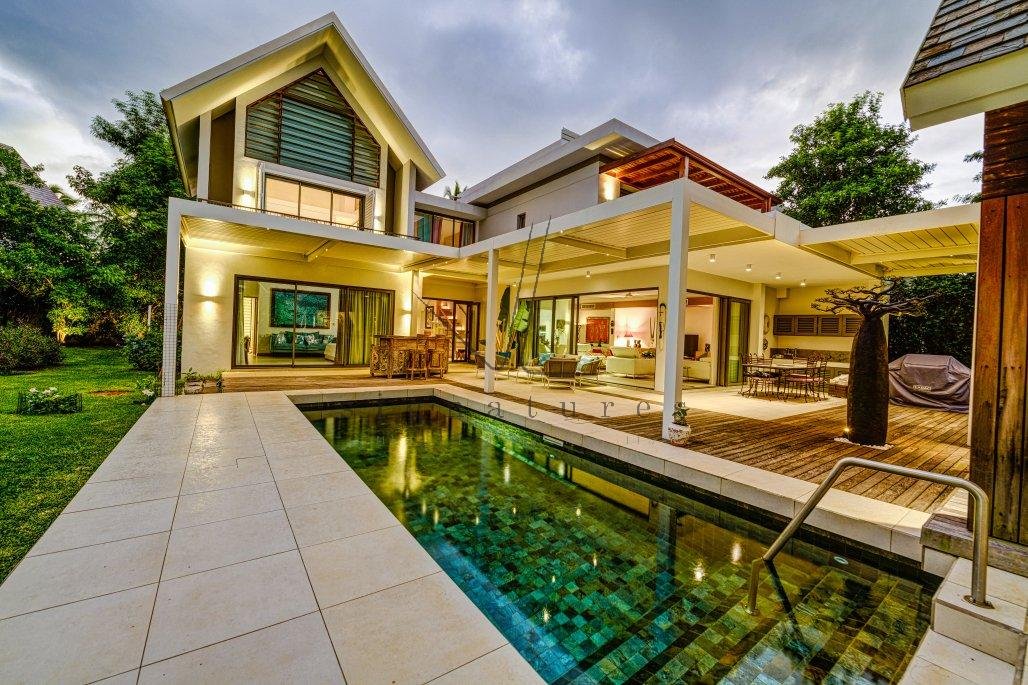
Demand for luxury residences in Mauritius has been steadily increasing for several years. International developers, European buyers, and Asian investors are all drawn to this destination, which combines an exceptional quality of life with attractive returns. Prestigious residential complexes are springing up across the island, offering villas with infinity pools, beachfront apartments, and lodges nestled in lush tropical vegetation.
The island also benefits from a diversified and resilient economy, transparent governance, and a strategic geographic location between Africa, Asia, and Europe. The official language is English, which significantly simplifies administrative procedures for foreign investors. These advantages set Mauritius apart from many other tropical destinations.
Acquisition schemes reserved for foreign investors
Foreign nationals cannot freely purchase any property in Mauritius. Access to property is governed by specific schemes designed to attract international capital while preserving the integrity of the local market.
The Property Development Scheme (PDS)
The PDS (Property Development Scheme) is currently the primary means of access to property ownership for non-citizens. It allows the purchase of villas and apartments within integrated real estate projects developed to high standards. These residential complexes must include quality infrastructure—spas, golf courses, marinas, concierge services—guaranteeing an upscale environment. A PDS purchase exceeding USD 375,000 also grants the buyer and their family a permanent residency permit.
The Real Estate Scheme (RES)
The RES (Real Estate Scheme) is designed for smaller-scale projects developed on limited land areas. It offers greater flexibility in property management and is well-suited to investors seeking opportunities in human-scale residential complexes with shared amenities. While less common than the PDS (Property Development Scheme), this scheme remains a relevant option depending on the nature of the project and the buyer's objectives.
Purchase conditions
Regardless of the chosen method, all foreign investors must obtain prior authorization from the Economic Development Board (EDB), formerly known as the Board of Investment (BOI). This structured and transparent process ensures the legality of the transaction and protects both parties. It is strongly recommended to seek legal counsel from a Mauritian lawyer from the outset.
One of the most competitive tax systems in the world
Taxation is often the deciding factor. In this respect, Mauritius has formidable arguments.
A particularly low income tax rate
Rental income generated by real estate in Mauritius is taxed at a flat rate of 15%, one of the lowest in the world. This rate applies to both individuals and corporate entities, depending on the circumstances. For an investor accustomed to European tax systems, the difference is often striking.
No capital gains tax
The island does not levy any capital gains tax on real estate. In practical terms, when a property is resold, the profit is not subject to any specific taxation. This is a decisive advantage for investors considering a medium- or long-term capital appreciation strategy.
No wealth tax
Unlike many European countries, Mauritius does not have a wealth tax. Investors with substantial real estate holdings therefore do not have to worry about an annual tax on the value of their assets. This unique feature facilitates the accumulation and transfer of wealth under optimal conditions.
Competitive transfer taxes
Real estate transactions are subject to transfer fees borne by the buyer, but these fees remain moderate compared to other prestigious international markets. These fees are part of a comprehensive strategy consistent with the island's ambition to remain an attractive location for foreign investment.
The step-by-step purchasing process
Acquiring real estate in Mauritius follows a structured process, which should be carefully anticipated before committing.
Initially, the investor signs a letter of intent or a preliminary contract (VEFA in the case of a property under construction). This step is generally accompanied by a security deposit. The application for authorization is then prepared and submitted to the EDB (Land Development Agency); processing times are usually short. Once authorization is obtained, the transaction is finalized before a notary, who drafts and registers the deed of sale. Each step can be facilitated by using a reputable lawyer and local real estate agent.
Available financing options
Mauritian banks offer mortgage solutions tailored to foreign investors at competitive interest rates. Borrowing is possible in Mauritian rupees or foreign currencies—euros, dollars, or pounds sterling—depending on the buyer's profile and strategy. Some international banks operating on the island also offer cross-border financing packages, particularly suited to non-resident buyers.
Manage and monetize your property from abroad
The purchase is only the first step. The management of the property largely determines the true profitability of the investment.
Most projects developed under the PDS and RES schemes natively integrate property management services: tenant reception, routine maintenance, technical upkeep, and booking management. For an investor based abroad, this structure is invaluable. It allows them to receive regular rental income without having to manage the day-to-day hassles.
In terms of rental strategy, two approaches coexist. Seasonal rentals capitalize on the significant tourist traffic the island experiences throughout the year, with particularly lucrative peak seasons. Long-term rentals, on the other hand, appeal to expatriates and international professionals seeking stability. The choice between these two models depends on the type of property, its location, and the investor's return objectives.
Investing in luxury real estate in Mauritius means combining quality of life and financial performance within a particularly favorable legal and tax environment. Whether you are looking for an exceptional second home or an income-generating asset, the opportunities are real and varied. To identify the property that matches your project, you can browse the available listings or contact the Propriétés de Charme customer service team for personalized support, from property selection to the finalization of your purchase.