
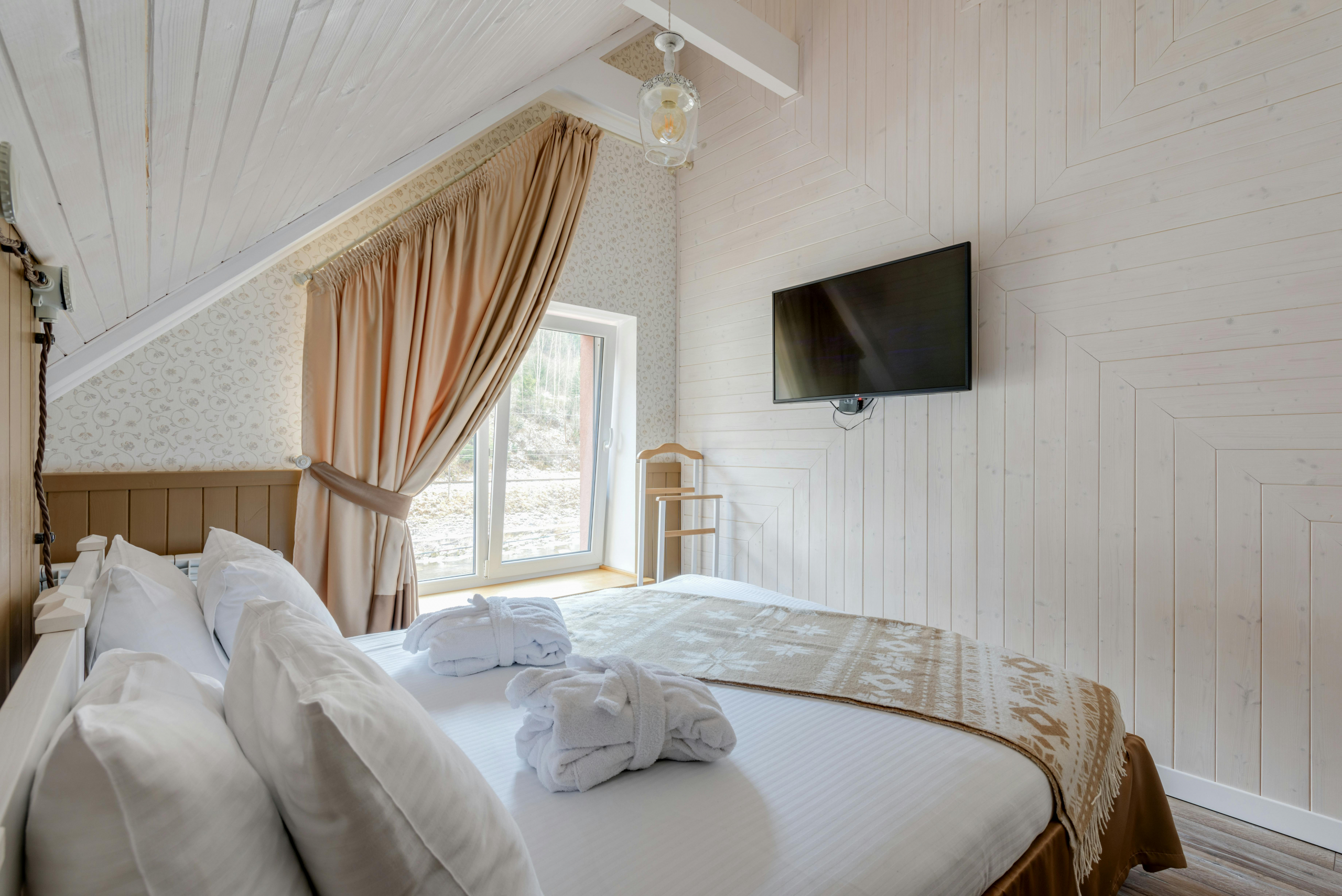
Bed and Breakfasts in France: Regulations, Taxation, Obligations and Prospects
Discover everything you need to know about bed and breakfasts in France: strict regulations, tax and social obligations, as well as new perspectives for the sector.
Bed and breakfasts in France are an iconic form of accommodation, allowing travelers to enjoy a more authentic and convivial experience. However, while they are often perceived as a warmer and more intimate alternative to traditional hotels, their operation is strictly governed by precise regulations. From capacity limits and service obligations to tax and social security rules, numerous criteria must be met to offer this service legally. This article explores these requirements and the current challenges facing the sector in detail.
1. Bed and Breakfasts in France: What are they? 🏡
Bed and breakfasts are accommodations offered by private individuals who welcome travelers for one or more nights, in an intimate and often more personalized setting than a hotel. According to French law, bed and breakfasts are distinguished from traditional hotels by their limited number of rooms and the nature of the services provided. The aim is to create a more personal experience, where the owners play an active role in welcoming and ensuring the comfort of their guests.
Bed and breakfast accommodation typically includes breakfast service, as well as rooms offering a certain level of comfort and privacy. These establishments can be located in urban, rural, countryside, mountain, or seaside settings.
2. Specific Obligations for Bed and Breakfasts 📝
2.1. Limitation on the Number of Rooms 🚪
One of the main regulations governing bed and breakfasts in France is the limitation on the number of rooms offered. An owner cannot offer more than five rooms , and the total capacity is limited to 15 people . This restriction is imposed to ensure that the establishment retains a family-run and intimate character, and does not become a hotel. The aim is to maintain a warm atmosphere and offer a quality experience rather than a large-scale commercial approach.
If an owner wishes to offer more rooms or accommodate more than 15 people, they must comply with other types of regulations, such as those governing hotels or guesthouses.
2.2. Mandatory Services 🍽️
Bed and breakfasts must offer minimum services to guarantee a quality of hospitality that meets travelers' expectations. Among the mandatory services are:
- Breakfast : Breakfast is a mandatory service for all bed and breakfasts. It must be included in the room rate and served on the premises. It generally includes local products, bread, jams, hot drinks, and sometimes homemade items. Breakfast is often an opportunity for guests to chat with the owner and receive advice on activities in the area.
- Linens : Linens (sheets, bath towels, etc.) must be provided in the rooms. These linens must be of good quality and changed regularly. Clean and well-maintained accommodations are essential to ensure guest satisfaction and comply with health and safety standards.
- Housekeeping : Daily room cleaning is mandatory. Regular cleaning must be carried out to ensure a clean and pleasant environment for guests. This cleaning must comply with hygiene and safety standards.
2.3. The Role of the Owner 🤝
One of the most distinctive aspects of bed and breakfasts is the active role the owner plays in welcoming guests. Unlike a hotel, where interactions with staff may be limited, in a bed and breakfast, the owner must be present to greet guests, provide information about the house's amenities, as well as activities and sites to visit in the area.
The owner plays a key role in the overall guest experience, and it is this human element that distinguishes bed and breakfasts from other forms of accommodation. Furthermore, an owner must guarantee guests a relationship of trust and offer a friendly and relaxed atmosphere.
3. Bed and Breakfast Taxation 💰
3.1. Tax Obligations 📜
Income generated from renting out guest rooms is subject to tax obligations. Depending on the income generated, the owner must choose between several tax regimes:
- The Micro-BIC regime : This regime applies when annual revenue from bed and breakfasts does not exceed a threshold of €77,700 (as of 2024). This simplified regime allows for a flat-rate allowance of 50% on income. In other words, only 50% of revenue will be subject to tax, which can be advantageous for small businesses.
- The actual tax regime : If revenue exceeds this threshold, the owner must opt for the actual tax regime. In this case, they must declare all of their revenue and can deduct certain business expenses (such as room maintenance, repairs, or investments related to accommodation).
Owners must also pay certain taxes, such as the tourist tax , which is levied for the benefit of local authorities. The business property tax (CET) may also apply in some municipalities.
3.2. Social Obligations 👥
If the income generated by the bed and breakfast exceeds 13% of the annual social security ceiling , the owner will have to pay social security contributions. These contributions are payable to the self-employed workers' scheme. Furthermore, those operating this activity professionally must register with the Trade and Companies Register (RCS).
4. Bed and Breakfasts: Challenges and Prospects 📊
4.1. Sector Evolution 📈
The bed and breakfast sector has undergone rapid evolution in recent years, largely due to the rise of online rental platforms like Airbnb and Booking.com . These platforms have facilitated access for millions of travelers worldwide, allowing bed and breakfast owners to reach a much wider audience than before.
However, this rapid growth has also introduced new challenges, particularly in terms of regulation and competition. Authorities have had to strengthen safety and hygiene rules and implement controls to ensure that bed and breakfasts comply with applicable standards.
4.2. Bed and Breakfasts and Self-Catering Cottages 🏠
It is important to understand the difference between bed and breakfasts, rooms in private homes, and guesthouses:
- Bed and breakfasts : If a homeowner offers more than five rooms or exceeds a capacity of 15 people, the establishment can no longer be classified as a bed and breakfast. It can be described as a "bed and breakfast" or a "guest house," depending on the nature of the services offered.
- Holiday cottages : Holiday cottages are vacation rentals that can be rented for longer periods. Although less strictly regulated than bed and breakfasts, they must meet the standards for seasonal furnished rentals.
4.3. New Rules for Furnished Tourist Rentals 🏖️
The tax reforms introduced by the 2024 Finance Act have tightened the tax rules for owners of furnished tourist accommodations. The threshold for the Micro-BIC regime has been lowered, no longer applying to annual income exceeding €15,000 . This reform has direct implications for bed and breakfasts, which, even if they still benefit from certain tax advantages, must adapt to these new requirements.
4.4. The Market in 2024: A Shift Towards Greater Professionalism 🏅
With increased competition and rising demand for quality accommodations, the bed and breakfast market in France is becoming increasingly professional. Owners are investing more in renovating their properties, implementing additional services (spas, swimming pools, gourmet offerings), and digitizing their services to meet the expectations of modern guests.
5. Conclusion 🔚
Bed and breakfasts in France are subject to strict regulations designed to guarantee quality accommodation and an authentic experience for travelers. However, these regulations also entail tax and social obligations that owners must comply with. The bed and breakfast sector is rapidly evolving, with prospects for professionalization and adaptation to new consumer habits. For owners wishing to enter this business, it is crucial to fully understand and adhere to these rules to avoid any problems with the authorities.
Complete Guide to Investing in Luxury Bed and Breakfasts and Guesthouses
Investing in luxury bed and breakfasts and guesthouses is an attractive opportunity for those looking to combine profitability, a passion for hospitality, and the growth of their assets. This booming sector offers numerous possibilities, but also challenges that are important to understand before getting started. To support you in this process, we have prepared a comprehensive guide, divided into several articles, to help you at each stage.
One of the first questions investors ask is: why choose luxury bed and breakfasts and guesthouses? This first article explains in detail the reasons for opting for this type of investment. Between high profitability, property appreciation, and the unique experience these establishments offer, we show you how this market can be particularly lucrative, while remaining true to your values and expectations in terms of quality.
 Why invest in luxury bed and breakfasts and guesthouses?
Discover why you should invest in luxury bed and breakfasts and guesthouses, with tips on profitability, valuation, and guest experience.
Slug : why-invest-in-luxury-bed-and-breakfasts-guesthouses
The essential criteria for choosing a bed and breakfast or luxury gîte to buy
Once you've decided to invest, it's essential to know how to choose the ideal property. In this article, we review the key criteria for selecting a luxury bed and breakfast or guesthouse. From location and amenities to potential profitability, discover the elements to consider before making your choice.
The essential criteria for choosing a luxury bed and breakfast or gîte to buy.
Learn how to choose a luxury bed and breakfast or gîte, taking into account essential criteria such as location and amenities.
Slug : essential-criteria-choosing-luxury-bed-and-breakfasts-gîtes
How to transform a guesthouse or bed and breakfast into a luxury destination?
The following article discusses transforming a guesthouse or bed and breakfast into a luxury destination. It's not simply about tasteful décor, but about creating a unique experience for guests through quality service, modern amenities, and a
How to transform a guesthouse or bed and breakfast into a luxury destination?
Discover how to transform a guesthouse or bed and breakfast into a luxury destination, with high-end amenities and a unique experience for visitors.
Slug : transform-guesthouse-bed-and-breakfast-luxury-destination
Investing in luxury bed and breakfasts and guesthouses: profitability and financial advantages
The financial aspect is a key criterion for any investor. This article reveals the financial advantages associated with investing in luxury bed and breakfasts and guesthouses, explaining how these establishments can be a source of long-term profitability, and what the tax advantages are for this type of project.
Investing in luxury bed and breakfasts and guesthouses: profitability and financial advantages.
Discover the profitability of luxury bed and breakfasts and guesthouses, and the financial and tax advantages of such an investment.
Slug : profitability-financial-advantages-luxury-bed-and-breakfasts-guesthouses
How to choose the ideal location for a bed and breakfast or luxury guesthouse project?
The location of a luxury bed and breakfast or guesthouse is crucial to its success. In this article, we explain how to choose the ideal location, taking into account the expectations of high-end clientele, geographical criteria, and market trends.
How to choose the ideal location for a luxury bed and breakfast or guesthouse project?
Find the perfect location for your luxury bed and breakfast or guesthouse. Discover the criteria for attracting a high-end clientele.
Slug : choose-ideal-location-bed-and-breakfast-luxury-guesthouses
The challenges and day-to-day management of a luxury bed and breakfast or guesthouse project
This article addresses the challenges and day-to-day management of such a project. From managing reservations and maintaining the premises to ensuring customer satisfaction, this article prepares you for the realities of running a luxury guesthouse or bed and breakfast.
The Challenges and Day-to-Day Management of a Luxury Bed and Breakfast or Gîte Project:
Discover the challenges of the day-to-day management of a luxury bed and breakfast or gîte project, with tips for effective management.
Slug : daily-management-challenges-luxury-bed-and-breakfast-gîtes
The best types of properties for developing luxury bed and breakfasts and event businesses
Finally, this article highlights the types of properties ideal for developing luxury bed and breakfasts and hosting events such as weddings. Large villas, castles, country houses, and other exceptional properties offer unique opportunities for investors looking to combine luxury with event hosting.
The Best Property Types for Developing Luxury Bed and Breakfasts and Event Businesses.
Discover the best property types for creating luxury bed and breakfasts and hosting events like weddings.
Slug : best-property-types-luxury-bed-and-breakfast-events
This comprehensive guide provides all the essential information you need to succeed in investing in luxury bed and breakfasts and guesthouses. From property selection to day-to-day management, including financial aspects and furnishing, you have access to a series of articles to guide you through your project. For personalized support, feel free to consult our experts and explore our exceptional properties.
Discover luxury properties for sale on Propriétés de Charme, including ideal opportunities for operating bed and breakfasts or guesthouses, as well as properties suitable for these projects. View our listings here .
Sell your luxury gîte or bed and breakfast with Charming Properties
Sell your luxury bed and breakfast or guest house on Charming Properties and reach a wide audience of qualified buyers looking for exceptional properties.