
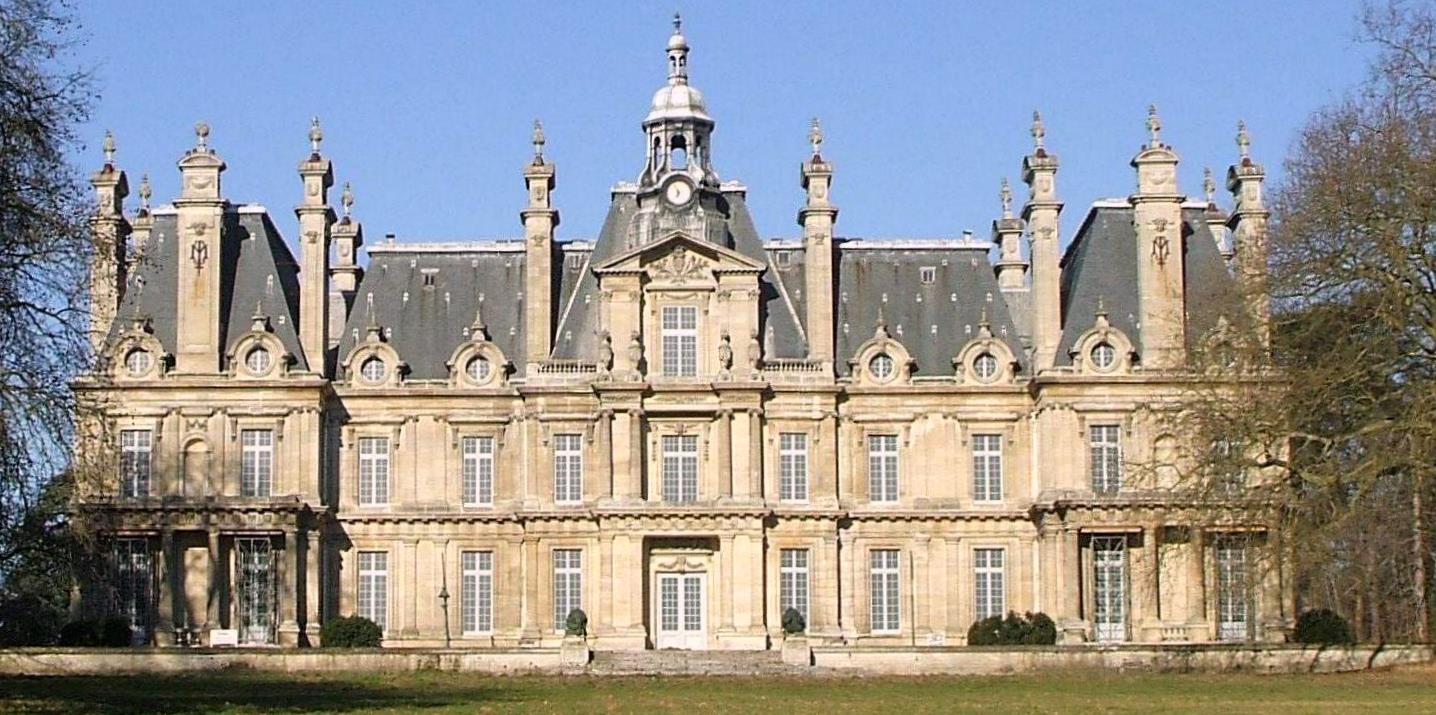
19th Century Castle Architecture
The architecture of 19th-century châteaux marks a period of transition and innovation, characterized by the rediscovery of historical styles and a strong influence from the artistic movements of the time. This century witnessed a great architectural diversity, ranging from Neoclassicism to Romanticism, including the Second Empire style and Neo-Gothic. This article will examine the characteristics of this architecture, the historical contexts that influenced it, and some emblematic examples of châteaux from this period.
A Historical Context
The 19th century was a time of upheaval in France. It was marked by major political changes, notably the French Revolution of 1789, the revolutions of 1830 and 1848, and the rise of industrialization. These events shaped not only society but also architecture. Nobles and the bourgeoisie embarked on building projects to display their power and status, while industrialization created new possibilities for construction.
During this century, the taste for the past intensified, and architects drew inspiration from medieval, Renaissance, and classical styles to design castles that evoked bygone eras. This gave rise to a rich and varied architecture, reflecting the aspirations of a society undergoing profound change.
Architectural Characteristics
19th-century castles are distinguished by several architectural features that reflect the diversity of styles of the period. Here are some key elements:
1. Neoclassicism:
At the beginning of the 19th century, Neoclassicism continued to influence architecture. Buildings featured clean lines, majestic columns, and triangular pediments. This style focused on symmetry and harmony, drawing inspiration from classical models.
2. Romanticism:
Romanticism, which emerged in the mid-19th century, is characterized by a return to more expressive and varied forms. Romantic-style castles display diverse architectural motifs, slate roofs, towers, and decorative elements inspired by Gothic and Renaissance styles. This creates an impression of movement and originality.
3. Neo-Gothic:
This style, which enjoyed great popularity in the 19th century, draws inspiration from medieval structures. Neo-Gothic castles are often adorned with gargoyles, spires, and pointed-arch windows. These elements evoke a sense of mystery and romance, making them particularly appealing.
4. Second Empire Style:
With the rise of Napoleon III and the Second Empire, architecture underwent a significant evolution. The Second Empire style is characterized by mansard roofs, Baroque ornamentation, and richly decorated facades. Castles built in this style reflect the imperial power and splendor of the era.
Examples of 19th Century Castles
Several iconic castles in France perfectly illustrate 19th-century architecture. Among them:
Chambord Castle:
Although its construction began under Francis I, Chambord Castle underwent numerous modifications in the 19th century, largely due to its integration into the Loire Valley estate. Its famous slate roofs and double-helix staircases are striking examples of Renaissance style and Neoclassical influence.
Château de Fontainebleau:
This château, which was used by several French kings, boasts a rich architectural history. In the 19th century, it was restored in the Neoclassical and Romantic style, incorporating elements of Imperial architecture. Its François I Gallery is particularly renowned for its elegance.
Chenonceau Castle:
Known for its elegance and refinement, Chenonceau Castle is an iconic example of French Renaissance architecture. Although its construction began in the 16th century, additions and renovations were carried out in the 19th century, giving it a romantic and modern touch.
The Legacy of 19th Century Castles
The architecture of 19th-century châteaux has left a lasting mark on the French architectural landscape. The design principles of this era continue to influence contemporary buildings, and many of these châteaux are now listed historical monuments, attracting millions of visitors each year.
These castles are not only testaments to architectural history, but also works of art that tell fascinating stories from the history of France. They reflect the aspirations of a changing society and embody the luxury and elegance of a bygone era.
The architecture of 19th-century châteaux reflects an era rich in cultural and political transformations. With their diverse styles, these châteaux embody the period's taste for elegance and refinement. Exploring these buildings reveals not only remarkable architectural creations but also a wealth of history that continues to inspire future generations.
Follow " ProprietesDeCharme.com " on YouTube , as well as on Facebook, Twitter , LinkedIn , Instagram , and Pinterest.