
Golf Courses for Sale in France: A Complete Guide for Buyers and Sellers
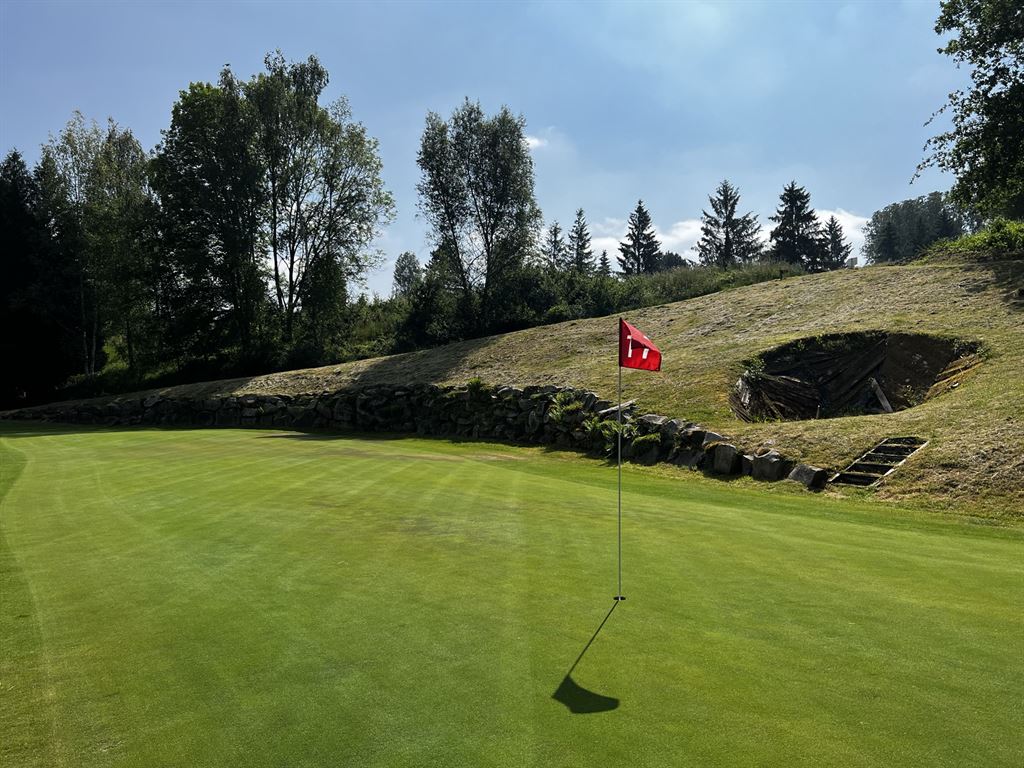
France, with its picturesque landscapes and rich culture, is a favorite destination for golf enthusiasts. Golf courses for sale in France offer a unique opportunity not only for investors but also for those who love the sport and wish to own a place to relax. This article explores the essential aspects of buying and selling golf courses, providing practical advice for both sellers and buyers interested in these unique properties.
The Golf Course Market in France
1. A Growing Trend
The golf course market in France has experienced significant growth in recent years. The increasing interest in golf, combined with the rise in sports tourism, has led to increased demand for these properties. Furthermore, courses located in tourist regions, such as the French Riviera or the Loire Valley, are particularly sought after.
2. Characteristics of Golf Courses
Golf courses vary considerably in size, design, and location. They can range from small nine-hole courses to vast 18-hole championship complexes, often accompanied by clubhouses, restaurants, and other facilities. Location plays a crucial role in a course's appeal, as a picturesque setting can significantly enhance its attractiveness.
Why Invest in a Golf Course?
1. Potential Profitability
Investing in a golf course can be profitable. Well-managed golf clubs can generate revenue through membership fees, green fees, events, and the sale of related products and services. A well-located course can also attract tourists, further increasing revenue.
2. Prestige Value
Owning a golf course confers a certain prestige. It can also serve as a platform for social and professional events, fostering networking and business opportunities. A well-maintained golf course can also enhance the value of surrounding properties.
3. Tax Advantages
Investments in sports infrastructure can benefit from various tax incentives. Depending on current legislation, certain operating and maintenance costs may be tax-deductible. Owners should consult a tax expert to fully understand these benefits.
The Stages of Selling a Golf Course
1. Property Valuation
The first step in selling a golf course is to conduct a thorough evaluation. This includes reviewing the infrastructure, the quality of the grounds, and the facilities. It is recommended to consult commercial real estate experts and appraisers specializing in recreational properties to obtain an accurate valuation of the course.
2. Updates and Improvements
Before putting the course up for sale, it may be wise to invest in improvements. This could include renovating the facilities, maintaining the grounds, and enhancing the services offered. A well-maintained and attractive course will be more likely to attract buyers.
3. Choosing a Real Estate Agency
Collaborating with a real estate agency specializing in commercial and recreational properties is essential. These agencies have in-depth market knowledge and can help you set a competitive price, write compelling listings, and manage the sales process.
Tips for Salespeople
1. Highlighting the Strengths of the Route
When preparing your course for sale, it's important to highlight its strengths. Whether it's exceptional design, breathtaking scenery, or modern facilities, every detail can make a difference. Investing in professional photography and virtual tours can also increase the appeal of your offer.
2. Prepare a Complete File
A comprehensive business plan, including information on history, revenue generated, operating costs, and work completed, can strengthen the credibility of the offer. This allows potential buyers to envision the business and better understand the value of the investment.
3. Flexibility during visits
Being flexible with viewings is essential to attracting potential buyers. Offering a variety of viewing times, including weekends, can maximize interest in your property.
The Steps to Buying a Golf Course
1. Research and Selection
For buyers, the search for a golf course should begin with a clear definition of their needs. What are the important criteria? Do they prefer an existing course or one to be developed? Location, size, and facilities must be carefully considered.
2. Visit and Evaluation
When visiting several courses, it is crucial to assess the overall condition of the infrastructure, the quality of the terrain, and the services offered. It can be wise to hire a golf expert to evaluate the playability and design of the course. This can help identify areas for improvement and anticipate future costs.
3. Negotiation and Purchase
Negotiating the purchase of a golf course can differ from that of other properties. It's essential to consider financial aspects, such as potential income and maintenance costs. Working with an experienced real estate agent can facilitate the process and ensure the buyer obtains a good price.
Advice for Buyers
1. Understanding the Regulations
Golf course buyers should be aware of local regulations regarding the operation of such properties. This includes operating permits, environmental requirements, and maintenance obligations. Learning about these aspects early on can prevent unpleasant surprises.
2. Assess the Development Potential
It is important to consider the course's development potential. Buyers should ask themselves if there are opportunities for expansion, construction of additional facilities, or hosting events. This can influence the future profitability of the investment.
3. Budget for Works and Maintenance
The operating costs of a golf course can be high, including the maintenance of the grounds, infrastructure, and services. Buyers should establish a realistic budget that includes these costs, as well as a reserve fund for potential improvements.
The Challenges of Managing a Golf Course
Owning a golf course involves significant management responsibilities. This includes managing members, organizing events, and maintaining the courses. Effective management is crucial to ensuring the profitability and smooth operation of the facility.
1. Member Management
Creating a community of engaged members can be a major asset for a golf course. Offering attractive membership programs and organizing social events can foster member loyalty and attract new golfers.
2. Events and Tournaments
Organizing events and tournaments can generate additional revenue and increase the course's visibility. Partnerships with local businesses can also allow for sponsored events.
3. Ground Maintenance
Regular maintenance of the pitches is essential to guarantee the quality of play. Investing in modern maintenance equipment and hiring qualified staff can contribute to the satisfaction of members and visitors.
The Role of Specialized Real Estate Agencies
1. Market Expertise
Real estate agencies specializing in golf courses possess unique market expertise. They can provide valuable advice on market trends, property values, and buyer expectations.
2. Buyer and Seller Network
These agencies also have a network of potential buyers and sellers. Their ability to connect interested parties can facilitate the buying and selling process.
3. Personalized Support
The personalized support offered by these agencies ensures that each client receives the necessary advice and assistance throughout the entire process. Whether it's a first sale or a new purchase, their experience is a valuable asset.
Buying or selling a golf course in France is an exciting undertaking that requires careful preparation and an understanding of the market's specific characteristics. Whether you are a seller looking to maximize the value of your property or a buyer seeking a unique investment opportunity, working with specialist real estate agencies can greatly facilitate the process.
By keeping in mind the advice and recommendations outlined in this article, you'll be better prepared to navigate the world of golf courses for sale in France. Whether you're looking to sell an existing course or acquire your own piece of paradise for golf enthusiasts, the French market is brimming with opportunities to explore.
Follow " ProprietesDeCharme.com " on YouTube , Facebook, Twitter , LinkedIn , Instagram , and Pinterest.