
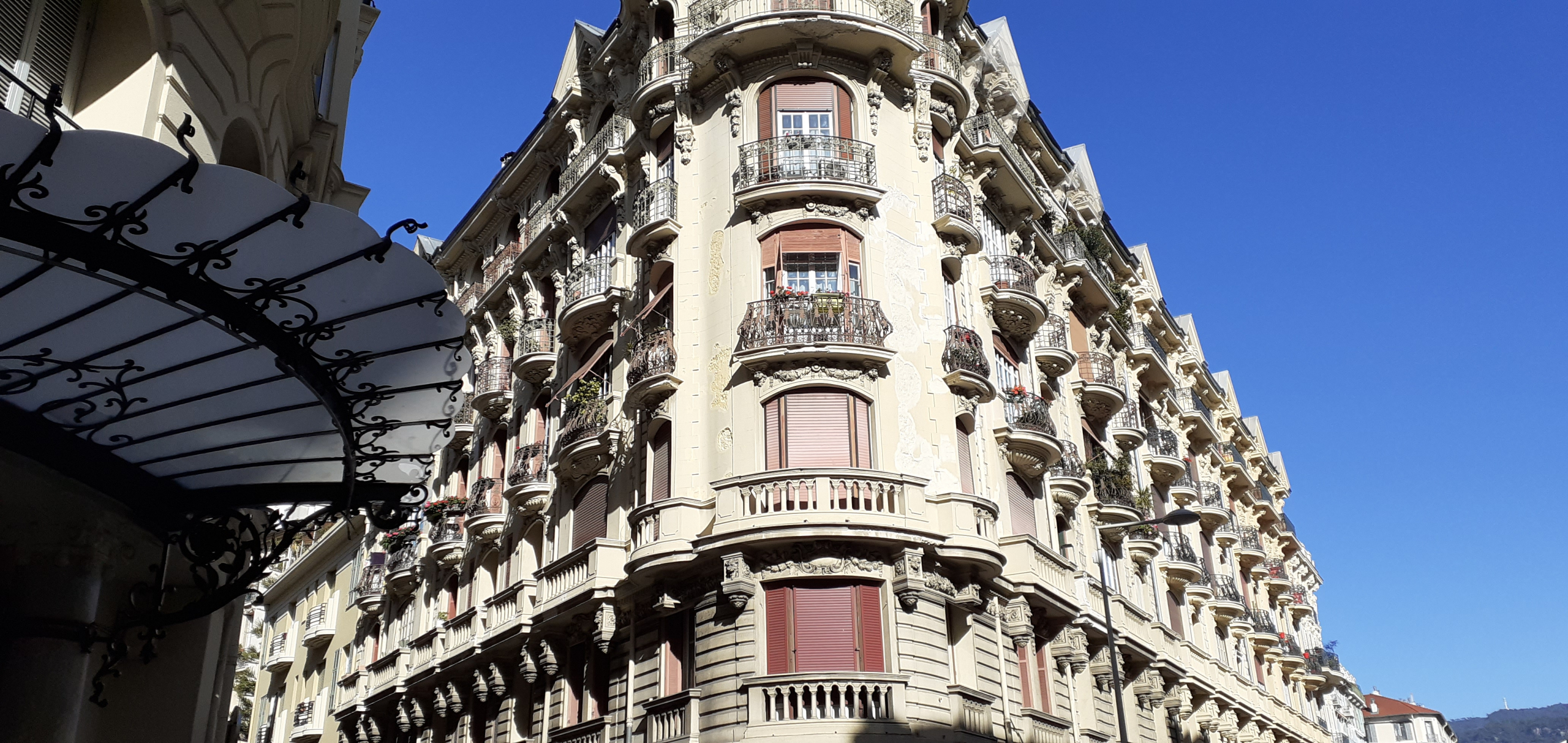
Belle Époque Architecture in France: A Journey Through Elegance and Refinement 🏛️
The Belle Époque, a period spanning the late 19th and early 20th centuries, marked a significant turning point in French architecture. This era of prosperity, technological advancements, and cultural refinement gave rise to a unique architectural style that continues to fascinate heritage enthusiasts. In this article, we invite you to discover the key characteristics of Belle Époque architecture in France, an era of elegance, creativity, and innovation.
The Essence of the Belle Époque 🎨
The Belle Époque, which spans primarily from 1871 to 1914, is a term designating a period of great economic and cultural prosperity, marked by significant technological advancements. In architecture, it represents a blend of classical styles and the rise of new techniques and materials. France, particularly Paris, was the epicenter of this architectural revolution.
The term "Belle Époque" evokes a time when beauty, refinement, and elegance were paramount. The architecture of this period successfully blended tradition and modernity, combining elements of classical styles with more modern influences, such as Art Nouveau and the beginnings of Art Deco.
Characteristics of Belle Époque Architecture 🏰
Buildings constructed during the Belle Époque are easily recognizable thanks to several distinctive features. One of the most striking aspects is the use of innovative materials, such as wrought iron , glass , and reinforced concrete . These materials allowed for greater freedom in the design and construction of buildings, while also paving the way for new architectural forms.
1. The Ornate Facades 🌿
The facades of buildings from this period are often characterized by ornate decoration . Wrought-iron balconies , moldings , and arched windows are typical features. These details lend lightness and fluidity to the buildings, contrasting with the more rigid and austere lines of earlier architecture. The ornamentation of the facades was not only aesthetically pleasing, but also symbolized the prosperity and ambition of the era.
2. Art Nouveau and the Influence of Nature 🌸
Art Nouveau , a major artistic and architectural style of the Belle Époque, profoundly influenced the architecture of that period. This style is distinguished by sinuous curves inspired by nature, such as floral and plant , organic lines , and a subtle use of glass and iron . Famous architects like Hector Guimard left their mark by creating buildings whose undulating lines and nature-inspired decorations symbolized a more fluid and dynamic vision of architecture.
3. Private Mansions and the Grands Boulevards of Paris 🏙️
The architecture of the Belle Époque is also represented by the rise of the hôtel particulier , luxury residences built for the aristocracy and the upper middle class. These hôtel particulier were often adorned with magnificent, ornate interiors , featuring sumptuous reception rooms and ballrooms . These prestigious residences were primarily located in the most affluent neighborhoods of Paris, such as the Faubourg Saint-Honoré , where magnificent sculpted stone façades and spacious apartments dominated the streets.
The grand Parisian boulevards , like those designed by Baron Haussmann, also marked this period. These wide, airy boulevards were lined with imposing buildings, creating an image of modernity and grandeur. Haussmannian buildings, typical of Paris at this time, are characterized by mansard roofs , continuous balconies , decorative moldings , and sash windows.
4. The Grand Palaces and Public Buildings 🏛️
Public buildings and palaces constructed during the Belle Époque were often symbols of opulence and prestige . Famous examples include the Opéra Garnier in Paris, a masterpiece of Second Empire and academic architecture. This imposing monument, with its gilded dome , grand columns , and grand staircase , reflects the grandeur of that era.
Another iconic example is the Petit Palais , also in Paris, a building with richly decorated facades, with large windows and colored glass that play an important role in the overall aesthetic of Belle Époque architecture.
5. Technological Innovations and Wide Open Spaces 🌍
The advent of reinforced concrete and glass allowed architects to design more spacious and luminous buildings. Large glass roofs , typical of Belle Époque architecture, were used for shopping arcades and large market halls . The Grand Palais , also in Paris, is a perfect example. Its large metal structure , combined with a giant glass roof , is a feat of engineering and innovation.
The Legacy of the Belle Époque in France 🏡
Belle Époque architecture continues to influence urban planning and contemporary architecture. Many of these buildings are now listed as historical monuments, as they bear witness to an era when France shone with its refinement and avant-garde spirit . From Paris to Nice, via Bordeaux and Lyon, one can still admire spectacular examples of this elegant and daring architecture.
🎉 The architecture of the Belle Époque is much more than just a historical period; it embodies the refinement and innovation of an era where beauty was paramount. From private mansions to grand public buildings, each structure testifies to the ambition of a burgeoning France, marked by technological advancements and a quest for harmony between art and architecture.
Today, these architectural gems remain a living testament to the elegance of a bygone era. Whether you are passionate about history, art, or simply admire architecture, the Belle Époque remains a fascinating chapter in French heritage.
References:
- Grand Palais : https://www.grandpalais.fr/
- Hotel Negresco : https://www.hotel-negresco-nice.com/
- Covered Passages of Paris : https://www.paris.fr/
Photo credit: One of the many Belle Époque facades in downtown Nice,
February 9, 2022, 1:56:08 PM – Own work. Author: Bassecal – Bassecal , CC BY-SA 4.0 , via Wikimedia Commons