
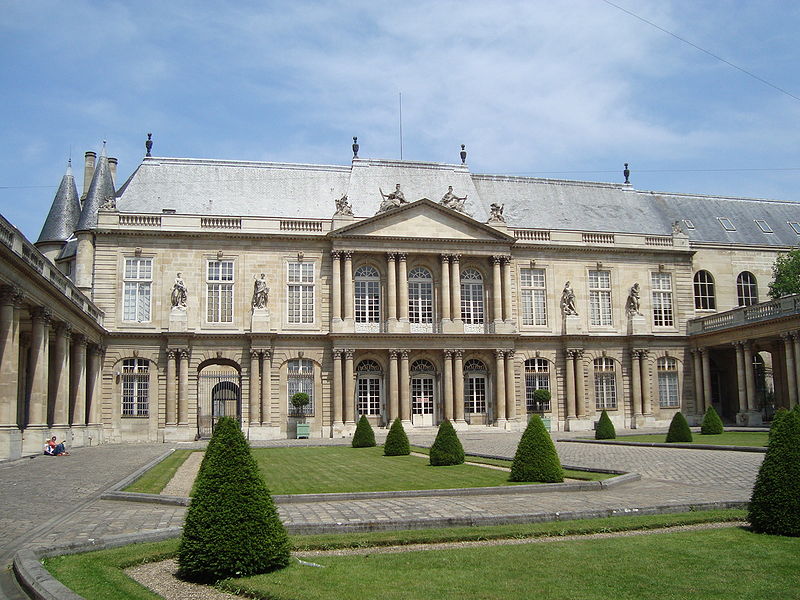
Private Mansions, Symbols of Prestige
Private mansions are architectural gems of French history. Intended for an aristocratic elite, these private residences, often located in the heart of cities, embodied the luxury, refinement, and power of their owners. Their name, derived from the Latin word “hospitium,” meaning “guest house,” reflects their original purpose as private homes designed for entertaining in sumptuous surroundings.
These buildings are characterized by their distinctive architecture , combining elegance, grandeur, and functionality. This residential model reached its peak between the 17th and 19th centuries, profoundly shaping the urban landscape of cities like Paris, Bordeaux, Lyon, and Versailles.
In this article, we will explore the specifics of the architecture of private mansions in France , their distinctive characteristics, the most famous examples, as well as their lasting influence on luxury real estate.
1. Key Characteristics of Private Mansions
Private mansions are distinguished by a series of characteristics that differentiate them from other types of private residences.
a. A Spacious and Secluded Urban Residence
Unlike bourgeois apartment buildings, private mansions are often set back from the street, surrounded by gardens or courtyards. This layout allows for greater privacy and sound insulation, while offering a particularly spacious living area within densely populated urban zones.
b. An imposing and symmetrical facade
The façades of these townhouses are designed to impress. The entrances are generally adorned with monumental portals , often framed by columns or pilasters. The use of fine materials, such as cut stone, and sculpted ornaments like balustrades, pediments, or mascarons, enhance the grandeur of these buildings.
c. Courtyards and Interior Gardens
Another distinctive feature of private mansions is the presence of a courtyard at the front and a garden at the rear. These green spaces, often enclosed, offer residents a verdant oasis in the heart of the city. The courtyards are generally paved and serve as access to the residence for carriages and cars.
d. The Distribution of Interior Spaces
Private mansions are designed with a well-organized layout. The entrance usually leads to a reception hall or vestibule. On the main floor, called the "bel étage," are the reception rooms, such as drawing rooms and dining rooms , often featuring high ceilings and decorated with moldings, frescoes, and gilding.
The bedrooms and apartments occupy the upper floors, while kitchens and service areas are often relegated to basements or annex wings, creating a clear separation between public and private spaces.
e. The Element of Symmetry and Perspective
Symmetry plays a key role in the architecture of private mansions. Perspective axes, linking entrances to gardens via corridors or enfilades of rooms, create an effect of depth and harmony. This use of symmetry and geometry echoes the principles of classical architecture.
2. The History and Evolution of Private Mansions in France
Private mansions have their origins in the homes of the great aristocratic and bourgeois families of the 16th century. At that time, they were intended to house influential families who wished to reside close to power, particularly in Paris, Versailles, and regional capitals.
a. The Golden Age of Private Mansions: 17th and 18th Centuries
It was during the reign of Louis XIV that the architecture of private mansions reached its peak. The high aristocracy built sumptuous residences to show their power, particularly in the Marais of Paris, which houses some of the most beautiful private mansions in the country, such as the Hôtel de Sully or the Hôtel Carnavalet .
In Versailles, private mansions allowed the aristocracy to be closer to the court. These prestigious buildings also became very popular in Bordeaux, where the Hôtel de Lalande is a striking example.
b. Evolution in the 19th Century
With industrialization and the modernization of cities, the 19th century saw an evolution in the architecture of private mansions. Districts like the Champs-Élysées and the Faubourg Saint-Germain in Paris became the new home of high society. The private mansions of this era were influenced by eclectic styles, combining Neoclassicism, Neo-Renaissance, and Gothic inspirations.
3. The Most Famous Private Mansions in France
Many private mansions have left their mark on the architectural history of France. Some are now museums or administrative buildings, while others remain private residences or have been transformed into luxury properties.
a. Hôtel de Crillon, Paris
Located on the Place de la Concorde, the Hôtel de Crillon is one of the most famous private mansions in Paris. Built in the 18th century, it is now a five-star palace, combining period architecture and contemporary luxury.
b. Hôtel Lambert, Île Saint-Louis, Paris
This 17th-century townhouse is a masterpiece of Baroque architecture, with sumptuous interiors designed by the painter Charles Le Brun. Owned by prominent members of the aristocracy, it exemplifies the splendor of private architecture in Paris.
c. Hôtel de Caumont, Aix-en-Provence
Located in the heart of Aix-en-Provence, the Hôtel de Caumont is a perfect example of 18th-century architecture. It has been restored and transformed into an art center, preserving its magnificently decorated interiors.
4. The Architecture of Private Mansions in Luxury Real Estate Today
Nowadays, private mansions are highly sought-after properties on the luxury real estate . International buyers are particularly attracted to these historic buildings that combine prestige , history , and architectural refinement .
Owning a private mansion represents far more than a simple real estate acquisition; it is an investment in a architectural heritage . The charm of period materials, the exceptional volumes, and the exclusivity they provide make them rare and coveted properties.
5. The Challenges of Restoring and Preserving Private Mansions
Restoring private mansions is a precise task. Many buildings are listed as historical monuments, which means that any renovation project must adhere to strict standards to preserve the building's integrity .
Owners of private mansions often face technical challenges, including bringing installations (electricity, heating, insulation) up to standard while preserving original architectural elements, such as woodwork, frescoes, or ironwork.
Private Mansions, Symbols of Timeless Elegance
The architecture of private mansions in France remains a symbol of elegance and prestige. These majestic residences, embodying the pinnacle of luxury and grandeur, continue to fascinate and inspire both history enthusiasts and buyers of exceptional properties. With their impressive facades, refined interiors, and rich heritage, private mansions represent the excellence of French architecture throughout the centuries.
References:
- Hôtel de Crillon : https://www.rosewoodhotels.com/fr/hotel-de-crillon
- Hotel Lambert : https://www.hotellambert.fr/
- Hôtel de Caumont : https://www.caumont-centredart.com/
Photo credit: LPLT , CC BY-SA 3.0 , via Wikimedia Commons. The facade and courtyard of the Hôtel de Soubise, in Paris.