
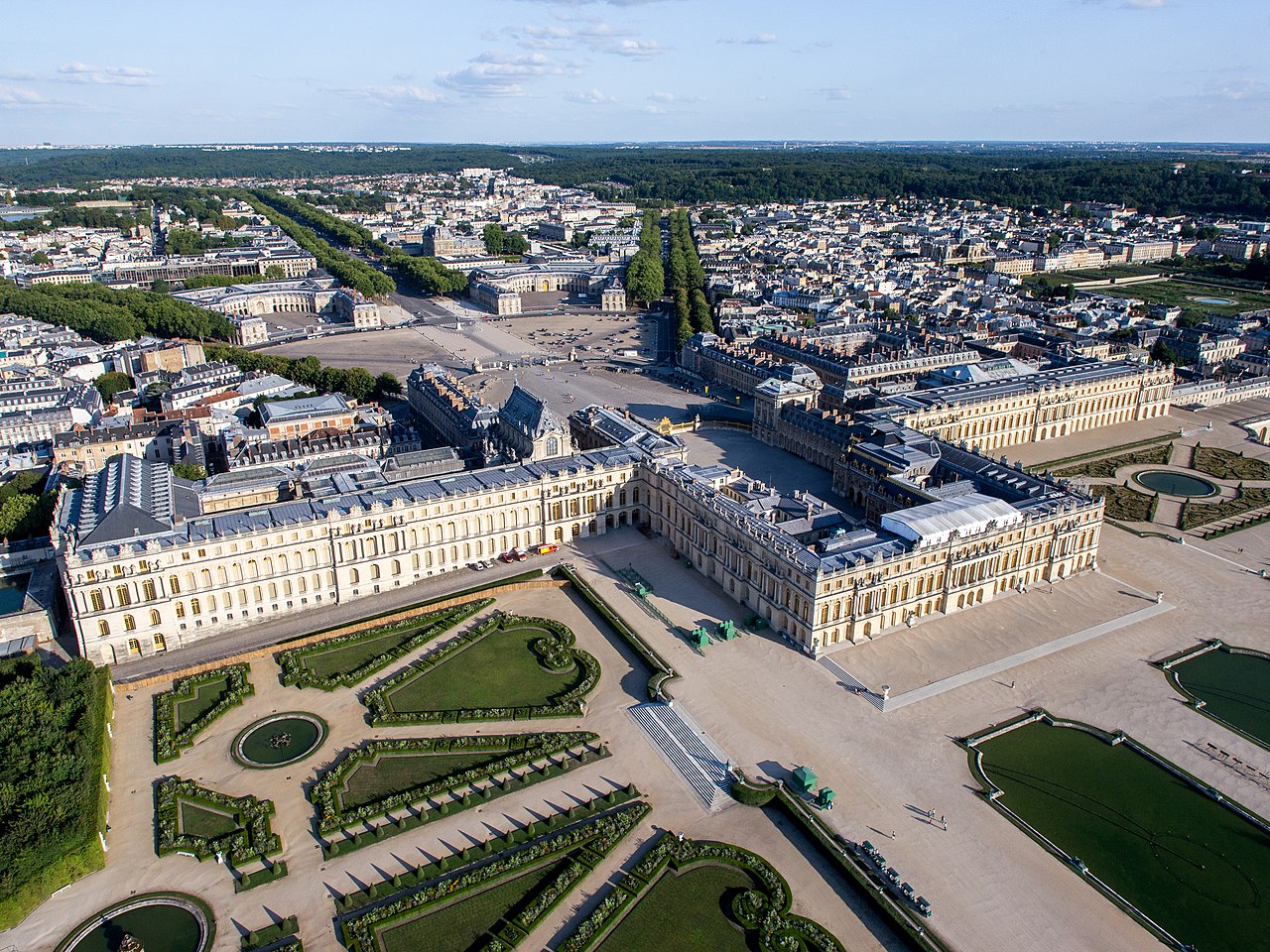
Architecture of 17th Century Castles
The architecture of 17th-century châteaux in France reflects the Baroque period, characterized by a quest for harmony, grandeur, and ornamentation. This era saw the construction of some of the country's most iconic châteaux, whose architecture illustrates royal power, the influence of Italian art, and the emergence of a distinctive French style. This article examines the architectural features of this period, the historical contexts that influenced it, and some notable examples of châteaux built during the 17th century.
Historical Context
The 17th century was a period of profound political and cultural upheaval in France. The absolute monarchy, embodied by kings like Louis XIV, sought to assert its power through architecture. Castles became symbols of wealth and authority, while France was influenced by the Baroque movement emerging throughout Europe. This architectural style is characterized by dynamic forms, elaborate decoration, and a dramatic flair, aiming to impress with grandeur and magnificence.
The religious wars and internal struggles at the beginning of the century also prompted the nobility to invest in the construction of castles for protection and to display their status. This period of prosperity, combined with Italian artistic influence, allowed for the emergence of architectural masterpieces.
Architectural Characteristics
Seventeenth-century castles are distinguished by several architectural features that reflect Baroque and Classical trends. Here are some key elements:
1. Simple and Symmetrical Plans:
Castles of this period often adopted rectangular or U-shaped plans, with symmetrical facades. This pursuit of harmony resulted in balanced proportions, giving the buildings a majestic appearance.
2. Elegance of the Facades:
The facades of castles are often adorned with pilasters, cornices, and pediments. The windows are generally large and have stone frames, allowing light to illuminate the interior. The use of classical architecture, inspired by Greek and Roman temples, is also common.
3. Slate Roofs and Tall Lanterns:
The roofs are often made of slate and feature steep slopes, adorned with lanterns and decorative chimneys. This touch of elegance gives the castles a distinctive silhouette.
4. French-style gardens:
Alongside the architecture of the buildings, gardens became an essential extension of castles. Inspired by landscape architects like André Le Nôtre, French-style gardens are characterized by geometric paths, flowerbeds, fountains and pools, creating a harmonious space around the castles.
Examples of 17th Century Castles
Several iconic castles in France perfectly illustrate the architecture of this period. Among them:
Château de Vaux-le-Vicomte:
Built between 1658 and 1661 for Nicolas Fouquet, Superintendent of Finances under Louis XIV, this château is a prime example of French Baroque architecture. Designed by the architect Louis Le Vau, it is famous for its gardens designed by André Le Nôtre and its luxurious interiors, symbolizing the wealth and power of its owner.
Chambord Castle:
Although begun under Francis I, Chambord was completed in the 17th century. Its architecture blends Renaissance and Baroque elements, with its elaborate roofs, ornate chimneys, and majestic windows. Chambord remains one of the grandest Loire Valley castles and a symbol of royal power.
Château de Saint-Germain-en-Laye:
Built and modified in the 17th century, the Château de Saint-Germain-en-Laye reflects classical French architecture. With its understated yet elegant façade and its grounds, it testifies to the royal taste for simplicity and grandeur. This château was also the residence of many French kings, including Louis XIV.
Château de Maisons-Laffitte:
This château, built by the architect François Mansart between 1630 and 1650, is a striking example of classical architecture. Its harmonious façade and landscaped gardens illustrate the principles of architecture of this period, marked by a concern for balance and proportion.
Influence and Legacy
The architecture of 17th-century châteaux has had a lasting influence on the French architectural landscape. The design principles of this era continue to inspire modern architecture, and many of these châteaux are now listed historical monuments, attracting millions of visitors each year.
These castles are not only testaments to architectural history, but also works of art that tell fascinating stories from the history of France. They reflect the aspirations of a changing society and embody the luxury and elegance of a bygone era.
The architecture of 17th-century châteaux is a fundamental element of French architectural history. Characterized by a pursuit of symmetry, harmony, and elegance, this period is marked by buildings that continue to impress with their beauty and grandeur. The châteaux of this century remain symbols of wealth and power, but also places of memory and history, contributing to the cultural identity of France.
Follow " ProprietesDeCharme.com " on YouTube , as well as on Facebook, Twitter , LinkedIn , Instagram , and Pinterest.