
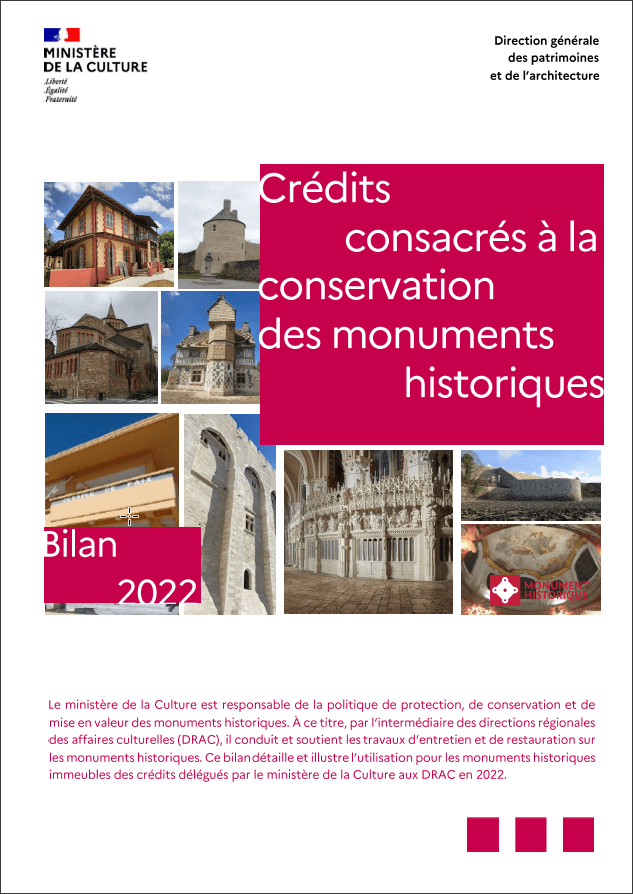
Selling Listed Historical Monuments in France: A Complete Guide for Buyers and Sellers
France is renowned for its exceptional cultural and architectural heritage, home to numerous properties listed as Historical Monuments. These properties, testaments to a rich and varied history, attract both buyers seeking character and authenticity and sellers looking to capitalize on their heritage. In this article, we will explore the market for properties listed as Historical Monuments, the specifics of their sale, the advantages of such an investment, and practical advice for both buyers and sellers. We will also highlight the crucial role of luxury real estate agencies specializing in this sector.
What is a Historical Monument?
A Historic Monument is a building or site protected by the State due to its historical, artistic, or architectural significance. In France, this classification can be national or registered as a Historic Monument. This classification provides a legal framework that protects the building and its integrity, while also allowing owners to benefit from certain tax advantages and subsidies for restoration.
Why Invest in a Listed Property?
1. Unique Cultural Heritage
Owning a property listed as a Historical Monument means becoming the guardian of an invaluable cultural heritage. These properties offer a tangible connection to the past and allow owners to be an integral part of French history.
2. Tax advantages
Owners of listed properties can benefit from significant tax advantages. Restoration work may qualify for tax reductions, and in some cases, grants may be available to help preserve the property. This can make acquiring and managing these properties more affordable in the long term.
3. Value Appraisal
Listed properties tend to retain their value and can even appreciate over time, especially if they are well-maintained. Their tourist and cultural appeal also makes them attractive for seasonal rentals.
The Steps in Selling a Listed Property
1. Property Appraisal
Before putting a listed property on the market, a thorough appraisal is essential. This includes examining the property's overall condition, any necessary renovations, and the authenticity of its architectural features. Appraisals must be carried out by professionals with specific expertise in historic monuments, as the evaluation criteria differ from those for standard real estate.
2. Restoration and Enhancement Works
Before selling, restoration work may be necessary to enhance the property's value. Owners must ensure that any work complies with the standards for preserving historic monuments. Collaborating with specialist craftsmen and renowned architects is essential to guarantee the quality of the work. A well-maintained and beautifully restored property can attract buyers willing to invest more.
3. Choosing a Real Estate Agency
Working with a luxury real estate agency specializing in the sale of listed properties is a major advantage. These agencies have the expertise to navigate the entire sales process, from drafting the listing to negotiating offers. They can also help establish a realistic and competitive selling price.
Tips for Salespeople
1. Highlighting the Property's Assets
Highlighting your property's unique features is crucial. Whether it's exceptional architecture, a historic garden, or a prime location, every detail counts. Professional photography and virtual tours can also capture the interest of potential buyers.
2. Prepare a Complete File
A complete file on the property, including the building's history, renovations, any permits, and recent appraisals, can boost buyer confidence. Providing transparent documentation demonstrates sound property management.
3. Be flexible about visits
Scheduling flexible viewings can attract more potential buyers. Being available for viewings on weekdays and weekends can maximize interest in your property.
The Steps to Buying a Listed Property
1. Research and Selection
For buyers, the search for a listed historic monument can be exciting. It's essential to focus on personal criteria such as location, size, and architectural style. Engaging real estate agents specializing in luxury properties can greatly facilitate this search, as they have access to exclusive listings and properties before they are publicly listed.
2. Visit and Evaluation
Visiting several properties is a crucial step. During each visit, take the time to assess the overall condition of the building, the quality of any previous work, and the potential costs of restoration. It is recommended to hire an expert to evaluate the property, as they can identify hidden problems that may require attention.
3. Negotiation and Purchase
Negotiating the sale of a listed property can differ from that of standard properties. Buyers need to be aware of the specifics associated with this type of property, such as preservation regulations and legal obligations. Working with a real estate agent experienced in luxury properties can help navigate this complex process and reach a favorable agreement.
Advice for Buyers
1. Understanding the Regulations
It is crucial for buyers to familiarize themselves with the laws governing Historic Monuments. The obligations related to restoration, preservation, and renovation work can be restrictive, and understanding these regulations is essential before making a purchase.
2. Hire Restoration Experts
When considering the purchase of a listed property, it can be wise to engage architects or craftsmen specializing in the restoration of historic monuments. Their expertise can help assess the necessary work and ensure that any interventions comply with preservation standards.
3. Plan a Budget for the Works
Restoration work can be expensive, and it's crucial to establish a realistic budget. Consider the costs associated with renovation, maintenance, and furnishing. Having some financial flexibility can make the purchase decision easier.
The Challenges of Preservation
Buying a listed property also comes with responsibilities. Owners must commit to preserving the building's architectural integrity. This includes complying with regulations regarding work and alterations, as well as respecting historical features. While these obligations may seem restrictive, they ensure that cultural heritage is protected for future generations.
The Role of Luxury Real Estate Agencies
1. Specialized Expertise
Luxury real estate agencies specializing in listed historical monuments possess in-depth market knowledge. Their expertise allows them to navigate effectively the legal and technical complexities surrounding these properties.
2. Network of Potential Buyers
These agencies also have access to a network of potential buyers interested in unique properties. Working with professionals increases the chances of selling quickly and at a competitive price.
3. Personalized Support
Luxury real estate agencies offer personalized support throughout the entire buying or selling process. Their knowledge of market trends, marketing techniques, and negotiation allows them to optimize results for their clients.
Conclusion
The sale of properties listed as Historical Monuments in France represents a unique opportunity for both buyers and sellers. As guardians of invaluable cultural heritage, these properties offer a connection to history and significant investment potential. To navigate this complex market, it is essential to work with specialized luxury real estate agencies that can provide the necessary expertise and support.
Whether you are a seller looking to increase the value of your property or a buyer searching for a unique home, understanding the dynamics of this market, being aware of the responsibilities associated with ownership, and collaborating with real estate professionals can help you achieve your goals in the listed Historic Monuments sector in France.
Follow " ProprietesDeCharme.com " on YouTube , Facebook, Twitter , LinkedIn , Instagram , and Pinterest.